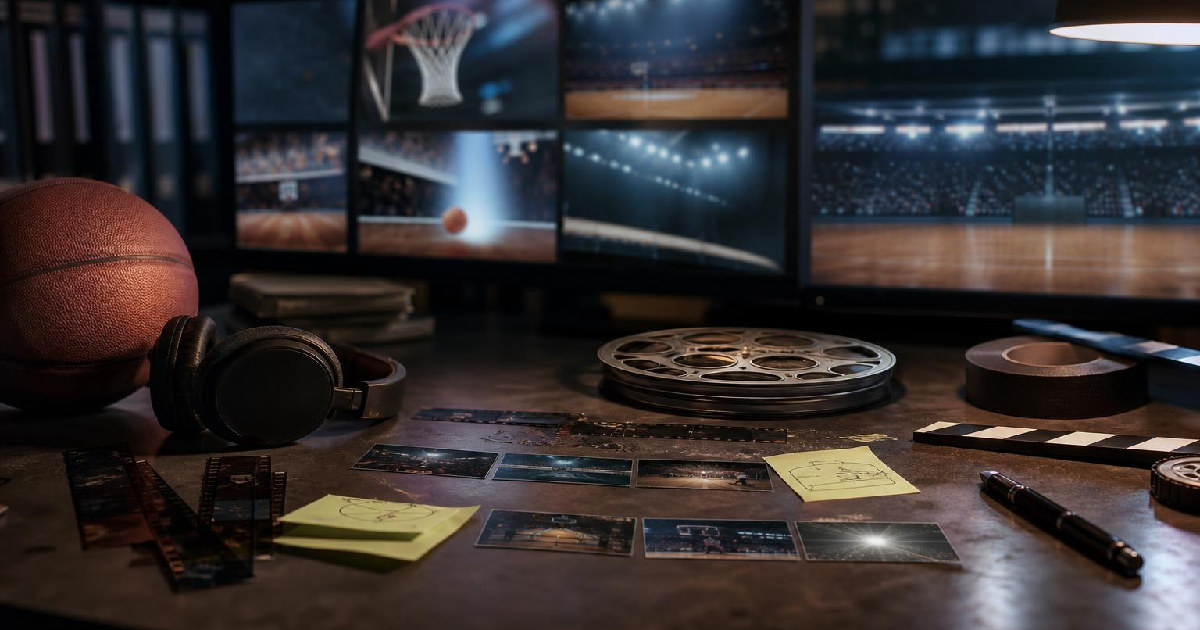
How Premiere Gal Builds a Cinematic Sports Spec Without Shooting New Footage
Premiere Gal shows a five-step way to turn a voiceover script into a polished sports commercial using stock, AI-generated visuals, and a Premiere Pro finishing pass.

Watch the workflow
Mode video features credit and embed creator work, then add summaries, takeaways, related tools and connected stories.

Premiere Gal shows a five-step way to turn a voiceover script into a polished sports commercial using stock, AI-generated visuals, and a Premiere Pro finishing pass.


Matt Wolfe’s September 3 roundup separates benchmark gains from practical value. Fable 5.1, Gemini 3.8 Flash and the subsequent GPT-6 Astra rollout show why cost, speed and workflow fit matter alongside capability.

Dansky’s quick look at Photoshop’s latest update shows how the new Light adjustment layer brings familiar Camera Raw-style controls into a simpler, more approachable workflow.

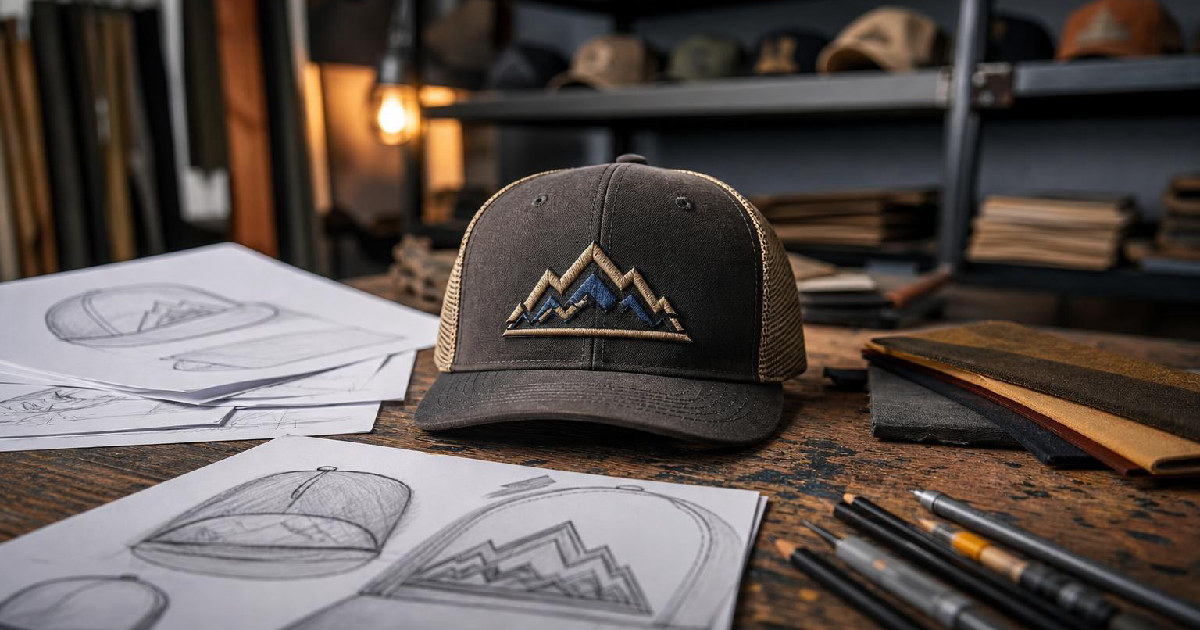
A simple Kittl workflow shows why hat graphics need different spacing, type choices, and export habits than standard T-shirt designs.

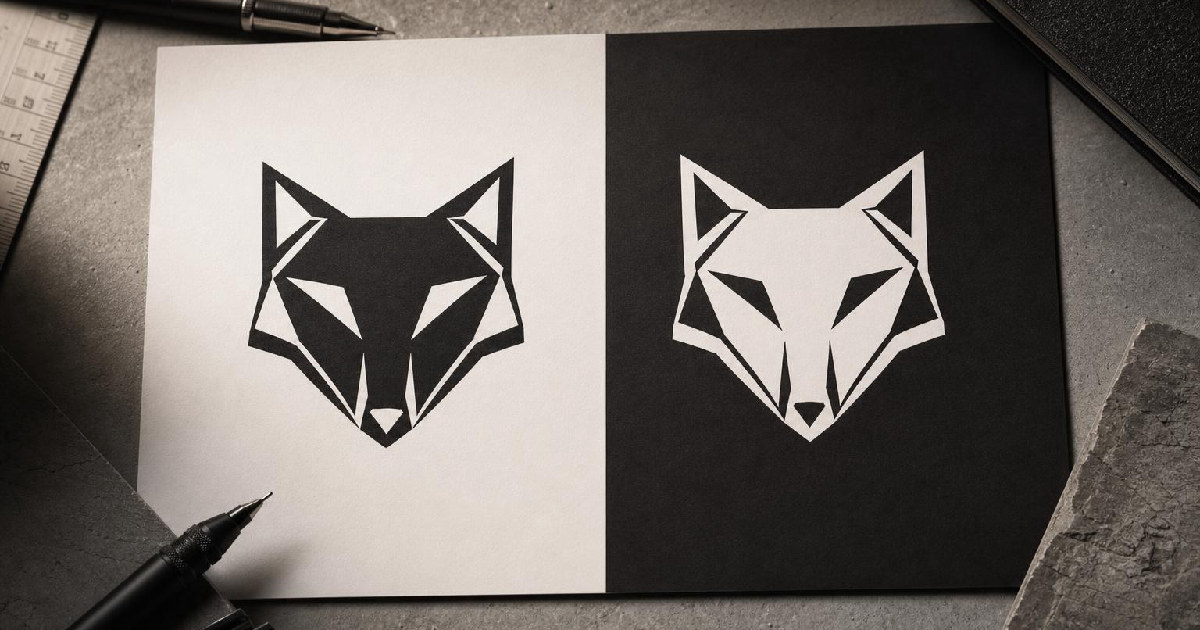
Dansky shows a small Illustrator habit that can make a logo read more consistently across dark and light backgrounds: stop trusting the copy-paste version and fix the optical spacing by hand.

Darrel Wilson’s walkthrough is really about the missing middle in AI website building: turning a polished Claude project into something that can be hosted, updated, and connected to a database without falling apart at deployment time.

Dara Denney’s paid-social lesson is simple: if you start with competitor ads, you are already reacting. Her process uses reputation analysis, review mining, AI-assisted personas, and roadmap planning to find strategic gaps that formats alone will not reveal.

Darrel Wilson’s walkthrough separates Hostinger’s hosting infrastructure from its website builders, which makes the buying decision much easier for first-time site owners.

In Jay Clouse’s interview with Thomas Frank, the useful lesson is not a secret algorithm hack. It is how Frank thinks about audience fit, channel structure, Shorts, discoverability, and giving each piece of content a specific job.

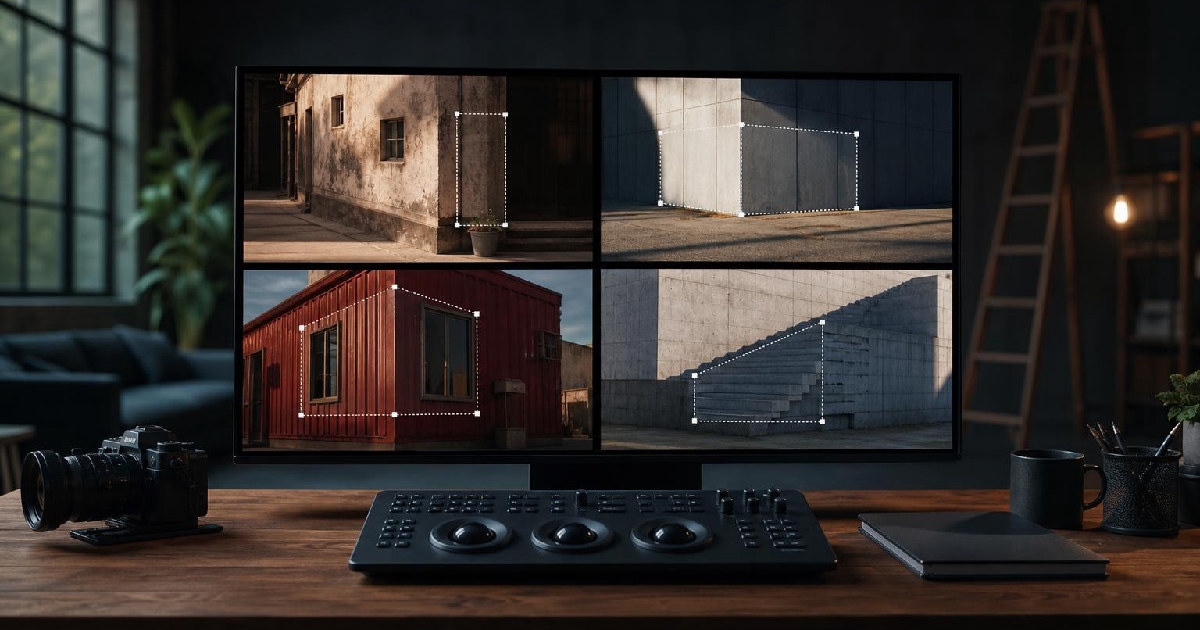
Casey Faris breaks down four ways to attach text to moving shots in Resolve, from a basic tracker to a full 3D camera solve.

Ronnie Hermosa argues that Canva’s smartest move is not trying to out-model ChatGPT, Claude, or Gemini. It is becoming the place where AI drafts are edited, branded, and published.

In a March 2025 sponsored CapCut demo, Premiere Gal showed five social-editing tasks she found faster in CapCut Desktop. Adobe has since narrowed some gaps, especially captions and translation, but the workflow lesson still matters.

Premiere Gal’s demo shows how Firefly’s updated Generate Video workflow now fits cleaner into real creator production: start with a design, set output options, and generate motion without leaving Adobe’s ecosystem.

Dara Denney’s Claude Cowork setup is less about clever prompts and more about building repeatable systems for briefs, reports, client health checks, and creative analysis.

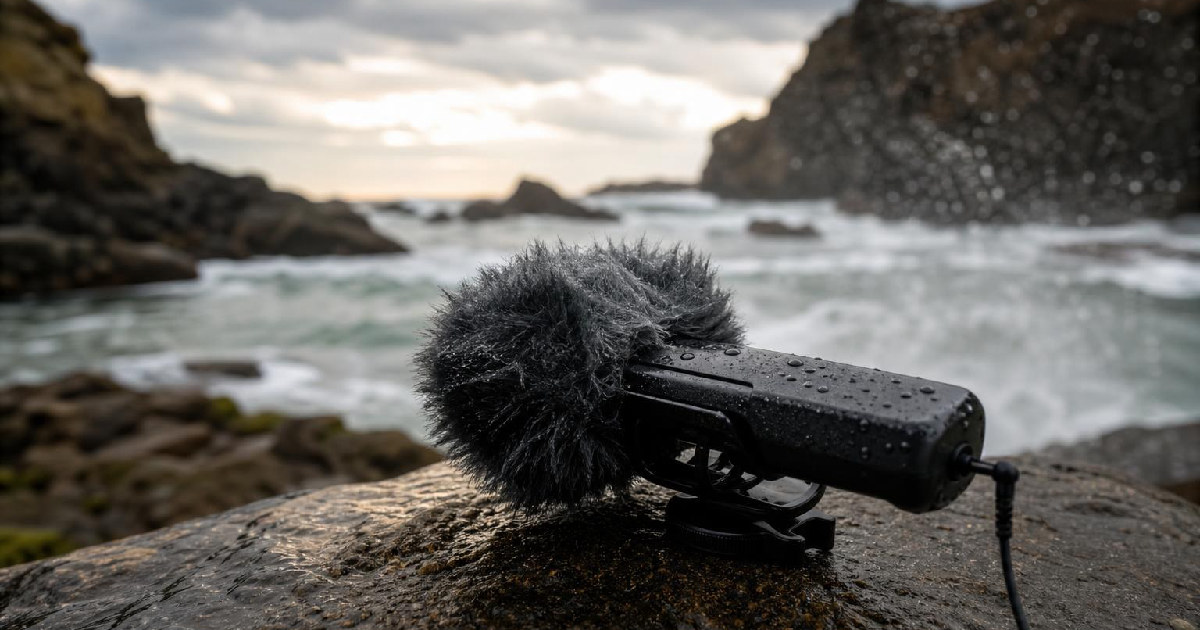
Feisworld Media shows how Filmora’s AI audio denoise tools can clean up field recordings, wind, and background chatter without sending clips to another app first.

EposVox’s hands-on Tail 2 showcase is less about flashy zoom and more about a workflow problem: when your camera needs to follow you around the room, a fixed setup starts working against you.

Casey Faris lays out a six-step DaVinci Resolve order that treats the edit as the foundation and keeps color, graphics, and audio from becoming wasted work.

Feisworld Media’s framework is simple: use AI for speed, but let lived experience, proof, and editorial judgment carry the work that audiences actually trust.