
Mode Story
YouTube Is Changing the Partner Program Again: What Creators Should Watch
YouTube is making the first major changes to YPP since 2018, with new earning opportunities and updated rules around active creators and qualified watch activity.
Find your workflow
Search Mode coverage by creator, category, tool or topic, or browse everything and narrow it down as you go.
120 results

YouTube is making the first major changes to YPP since 2018, with new earning opportunities and updated rules around active creators and qualified watch activity.

WordPress’s official browser extension hides the admin bar while preserving shortcuts, adds quick access to sites, and brings creator/developer tools into the browser.

Source by Webflow moves agents, code, CMS, governance and marketing work into one shared operating layer instead of treating AI as a separate page-building feature.

beehiiv’s AI Discovery update adds AEO-ready websites, AI crawl controls, an AI product builder and a beehiiv Agent as newsletter platforms expand beyond email.

beehiiv’s August update expands the Send API to Max plans and adds click-triggered automations, making newsletter workflows more responsive to real subscriber behavior.

Webflow AEO combines AI-answer visibility, bot activity, referral analytics and agent recommendations into one measurable optimization loop.
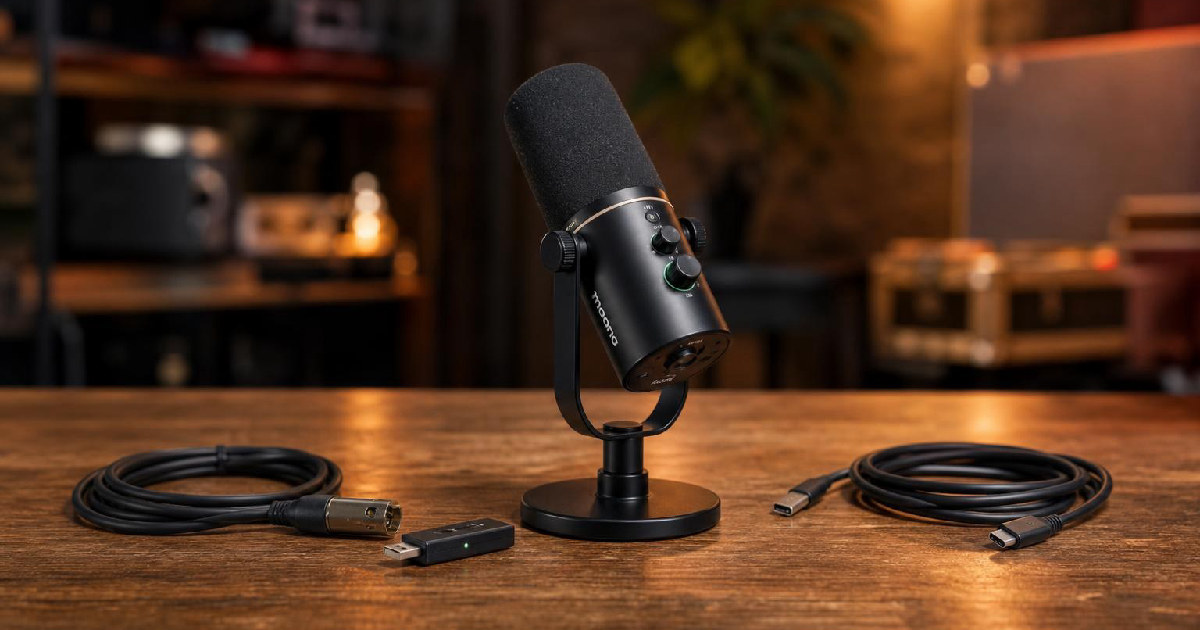
Tom Buck’s take on the Maono PD200W is less about chasing one perfect sound and more about what happens when wireless, USB, and XLR all live in one easy-to-use microphone.
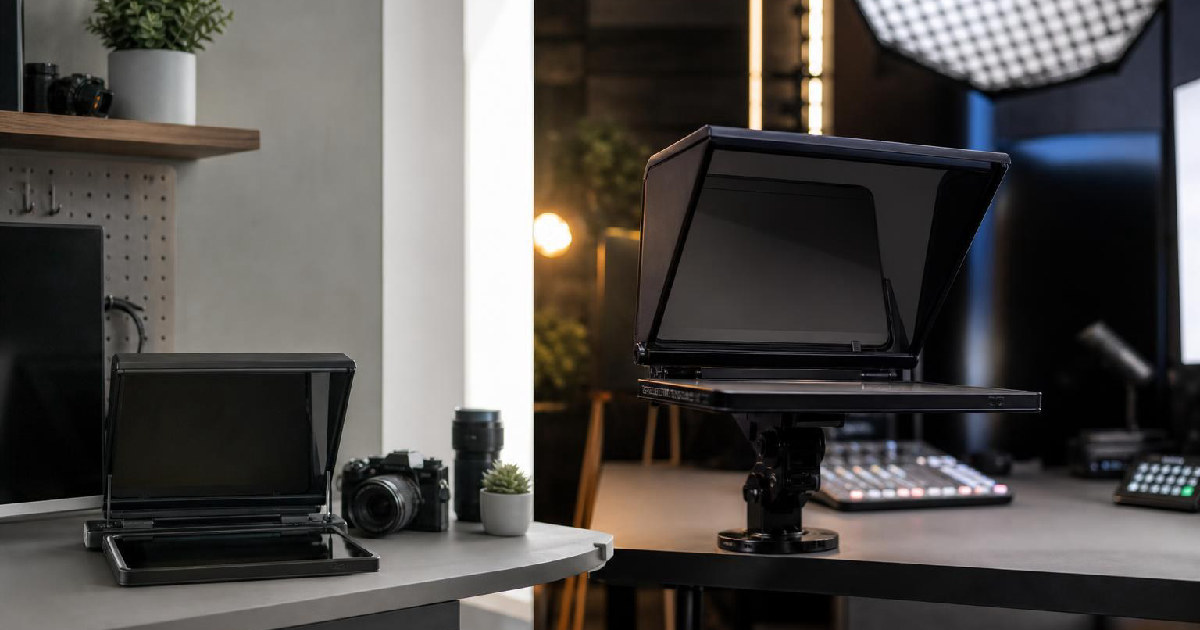
EposVox’s comparison of the Elgato Prompter XL and the original Prompter is less about specs and more about fit, weight, visibility, and whether your studio can handle a bigger teleprompter without getting in its own way.
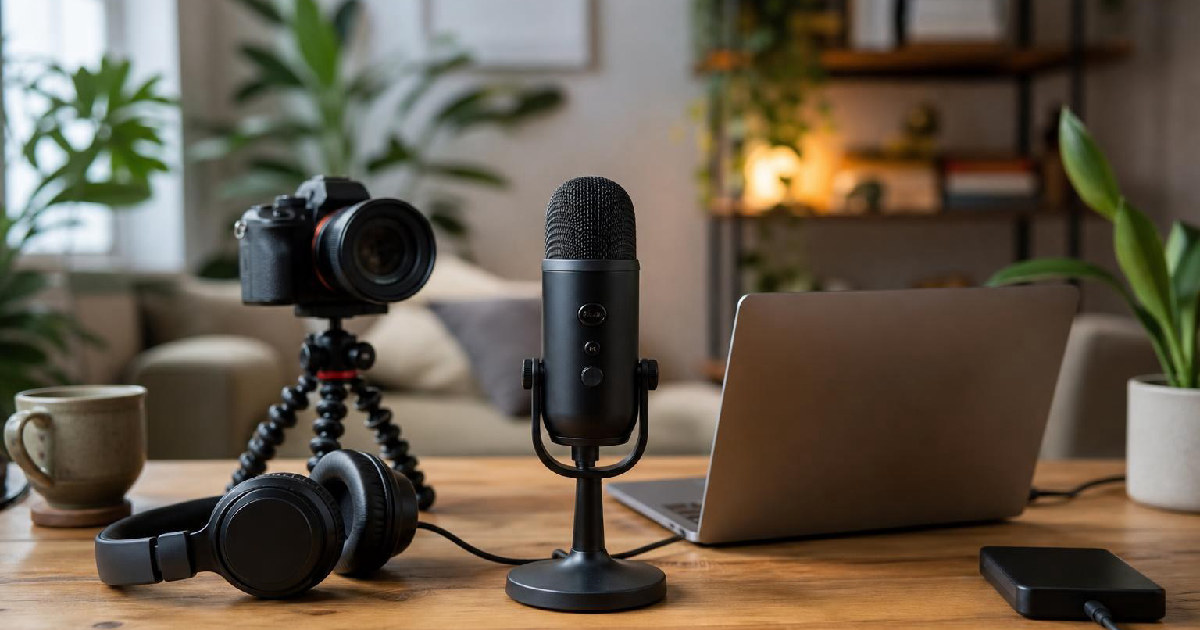
Tom Buck’s walkthrough shows how Riverside bridges the gap between simple guest access and the higher-quality audio and video that remote podcasts often lose in Zoom.

Premiere Gal and Leila swap editing rules for practical judgment, showing where creators can ignore internet advice and where the details really matter.

Dara Denney’s tier list is less a popularity contest than a budget map. The strongest formats tend to combine clear persona fit, believable human proof, and a reason to keep testing beyond the first win.
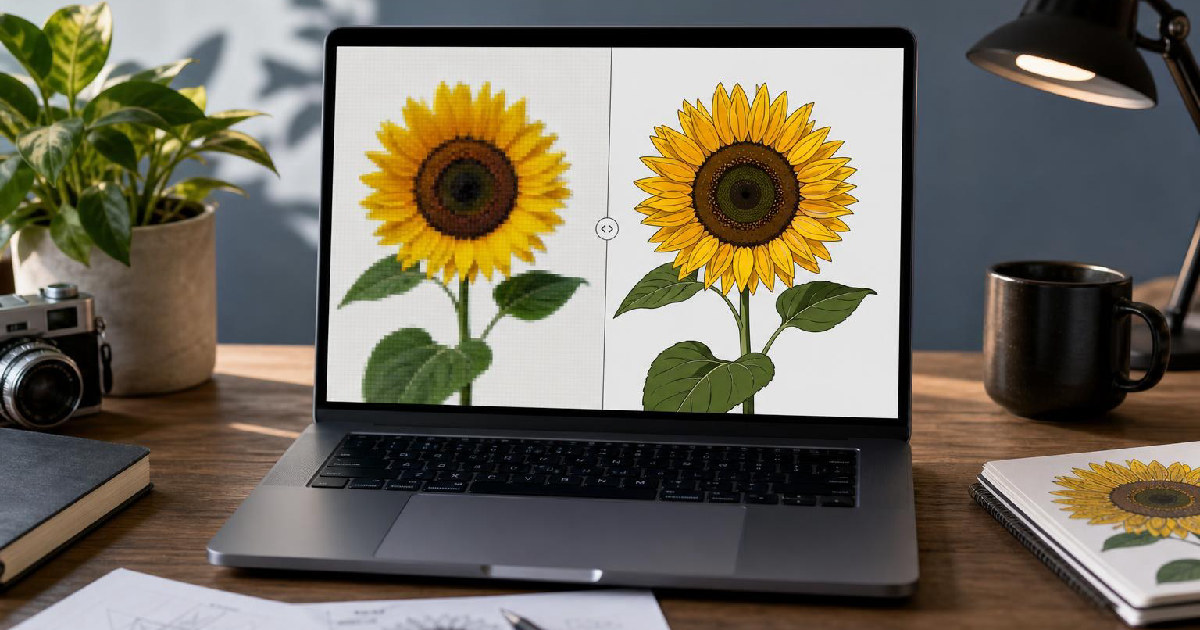
Pixel & Bracket shows why Illustrator’s Image Trace is useful as a starting point, not a one-click cure-all—and which adjustments matter most.

Dara Denney argues that stronger Meta ads usually come from two places: the patterns already hiding in your account, and the organic content signals that reveal fresh angles when data is limited.

Premiere Gal’s tutorial shows a cleaner way to handle selective grading: use clip-level color shift for broad corrections, then switch to object masking and tracking when one element needs its own look.

Jay Clouse’s conversation with Kallaway turns a viral-content demo into a usable playbook: narrow the audience, track trust instead of vanity, and use research tools to find better topics before you record.
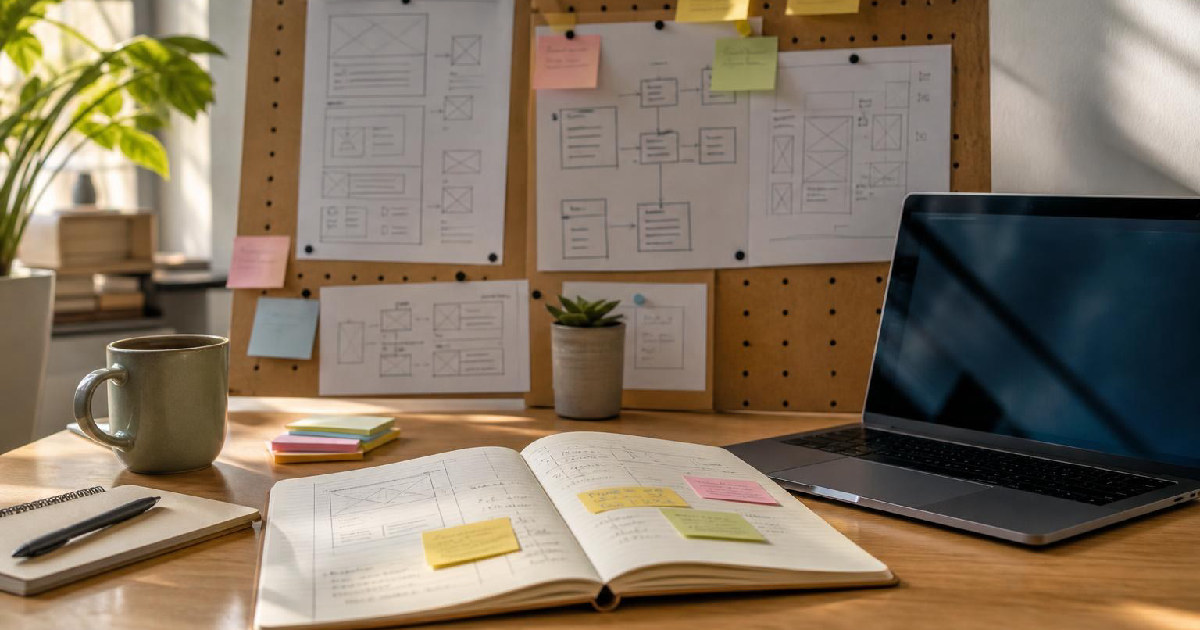
Darrel Wilson’s Hostinger AI Builder tutorial is less about chasing no-code magic and more about learning how to scope, prompt and test your way to a working site or app.

Matt Wolfe’s first look at GPT-6 Astra suggests the model is less interesting as a benchmark winner than as a tool that can quickly turn prompts into playable worlds, animated characters, and usable creative prototypes.
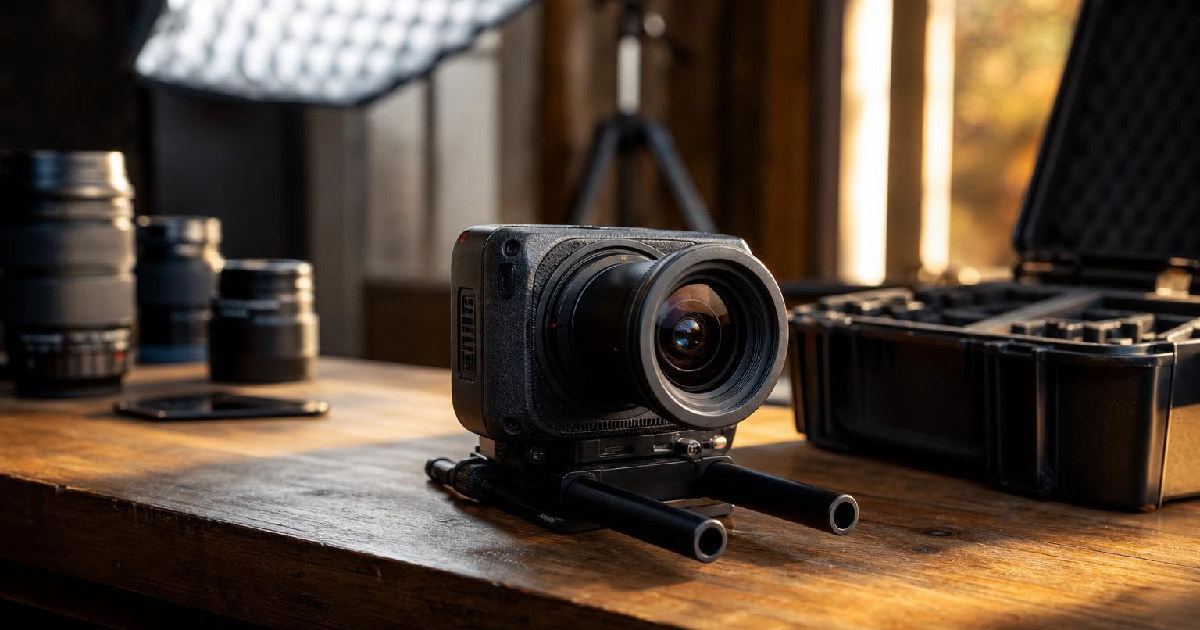
Tom Buck argues the Mission ILS only looks like a familiar action cam. Once you treat it as a compact cinema camera, the tradeoffs and the use cases become much clearer.
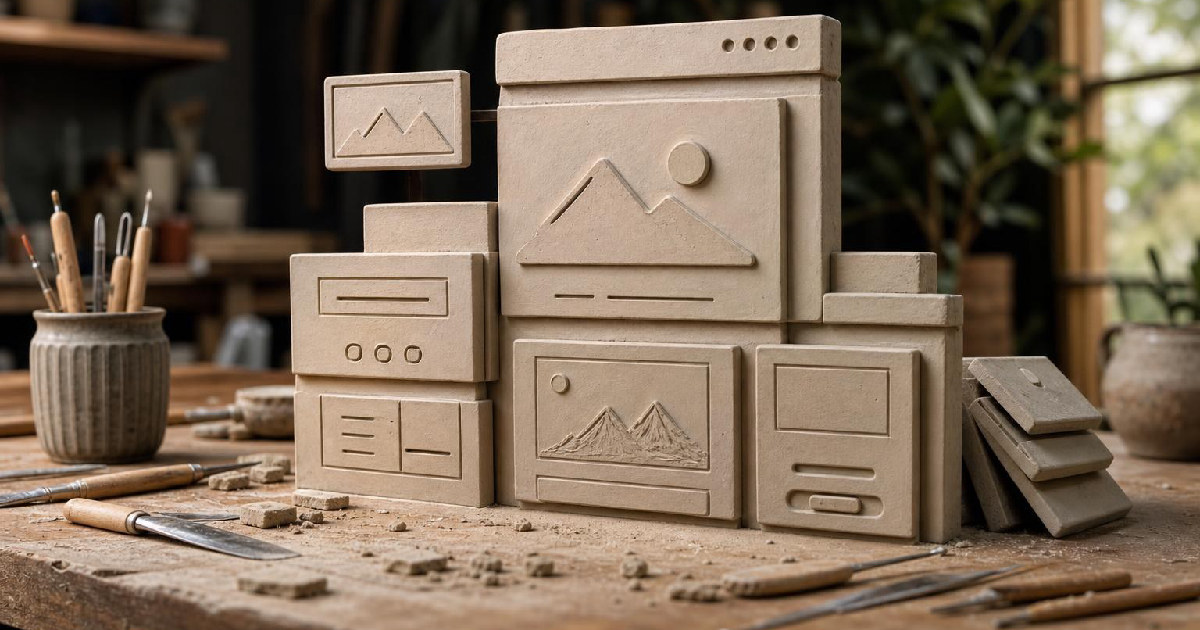
Darrel Wilson shows a workflow that starts with Claude-generated HTML and ends with a WordPress site rebuilt in native Elementor elements, so the result can still be edited section by section.
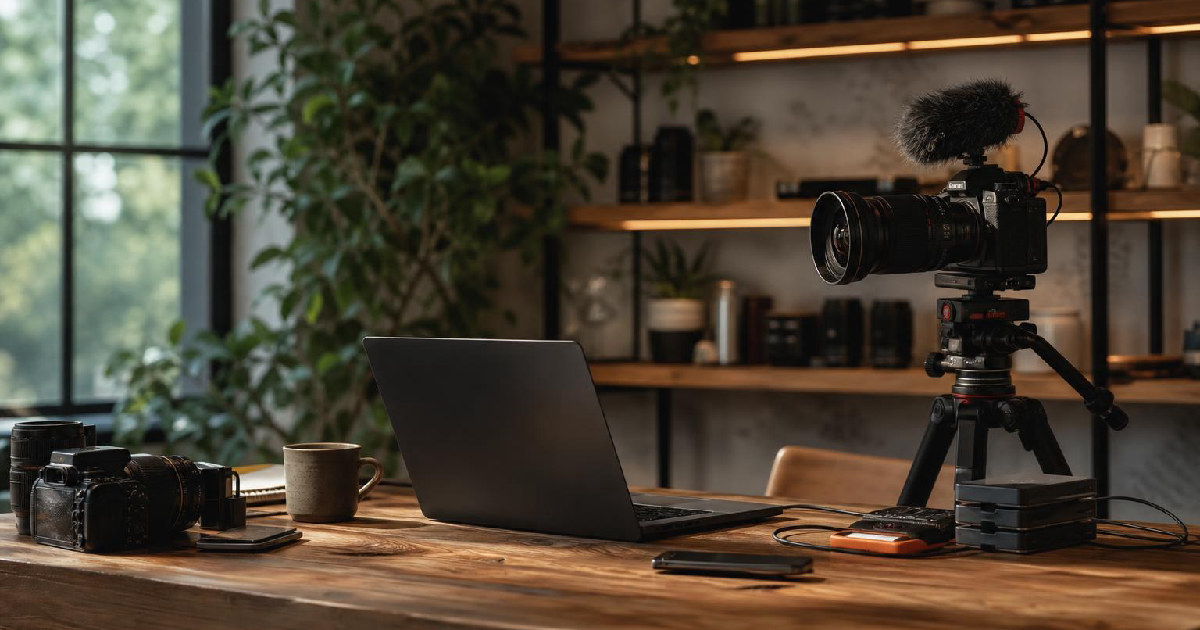
Jay Clouse’s conversation with Riley Brown is less a follower-count victory lap than a look at how a creator turns niche expertise into a repeatable publishing system.

Denney’s weekly AI examples point to a bigger shift in creative operations: automation is reducing the busywork, but it is also raising the bar for analysis.

The point of the tutorial is not simply that Claude can sketch a website quickly. It is that the build can be translated into native Divi elements inside WordPress, which keeps the page editable after the AI pass is done.

The video is less about memorizing buttons than learning a workflow: import, edit, composite, grade, mix, and export.
Darrel Wilson’s tutorial shows how far AI website builders have come — and how much judgment still matters when you turn a generated layout into a functioning ecommerce store.